Column · @citylockguide
What locksmiths check before unlocking your home
Why locksmiths need to verify who you are
Getting locked out of your own home is frustrating. You stand at your front door, keys on the kitchen counter, and the only thing between you and a warm living room is a deadbolt that won't budge. In that moment, you want help fast. But a responsible locksmith cannot simply pick the lock and let you in. There is a professional process to confirm that the property is yours or that you have a legal right to enter. This process protects you, your neighbours, and the locksmith from liability.
Access verification is not about making the job slower. It is about preventing break-ins, theft, and legal trouble. A locksmith who opens a door for someone who does not live there could be held partly responsible if that person steals or damages property. That is why every reputable service follows a clear set of checks before turning the cylinder.
What a locksmith looks for
Photo identification
The first thing a locksmith will ask for is a valid photo ID. A driver's license, a passport, or a state-issued ID card usually works. The ID must show your name and a recent photograph. If the name on the ID matches the name on the lease, the deed, or the utility bill, that is a strong sign you belong there. If you do not have a photo ID on you - maybe you left it inside with your keys - the locksmith may ask for another form of proof.
Proof of residence
When you cannot produce a photo ID, the locksmith can still verify your claim with a document that links you to the address. A piece of mail with your name and the property address, a rental agreement, a tax bill, or a bank statement all work. Even a package delivered to that address with your name on it can help. The document does not have to be recent, but it must be legible and show the same address as the locked property.
Some locksmiths will also accept an electronic copy on your phone - a picture of your lease or a scanned utility bill. The point is to have something that ties your name to that specific door.
Verification from a property manager or landlord
If you are a tenant and cannot provide ID or proof of residence, the locksmith may contact your property manager or landlord. This happens most often in apartment buildings or managed complexes. The property manager can confirm your identity and authorise the opening. The locksmith will usually ask for the manager's phone number, call them directly, and get verbal confirmation. Some companies also accept a text message or email from a verified address.
This step is common when the tenant has just moved in and does not yet have bills or mail at the new address. A property manager who recognises your name and unit number can vouch for you quickly.
What happens when no one can prove ownership
Sometimes a person cannot provide any identification or proof of residence. Maybe they lost their wallet, left all documents inside, and are not on the lease. In that case, a locksmith cannot legally open the door. It is not about being unhelpful; it is about following the law and ethical practice. Opening a property without verification could make the locksmith an accessory to burglary.
If you find yourself in this situation, the best option is to call someone who can vouch for you - a roommate, a family member who is on the lease, or the property manager. That person can meet the locksmith at the door with their own ID and proof of residence. Once the locksmith verifies that person's identity and their connection to the property, they can proceed with the unlock.
How the process works on a service call
When you call for home lockout assistance, the locksmith will ask a few questions over the phone. They want to know your name, the address, and what type of lock you have. They may also ask if you have any identification ready. This helps them prepare the right tools and plan the verification step before they arrive.
Once the locksmith arrives, they will introduce themselves and ask for your ID or proof of residence. They will check that the document matches the address on the call. If everything matches, they will then examine the lock. They look at the door latch, the deadbolt, and the condition of the lock. Sometimes a broken key is stuck in the cylinder, which requires a different approach. In other cases, the latch is simply engaged and the door needs to be manipulated open.
After the visual check, the locksmith will begin the unlocking procedure. For a standard pin-tumbler lock, they may use a tension wrench and a pick to manipulate the pins. For a broken key, they might use a broken key extractor tool to pull out the fragment, then use a new key or pick the lock. The whole process usually takes a few minutes, assuming the lock is not damaged.
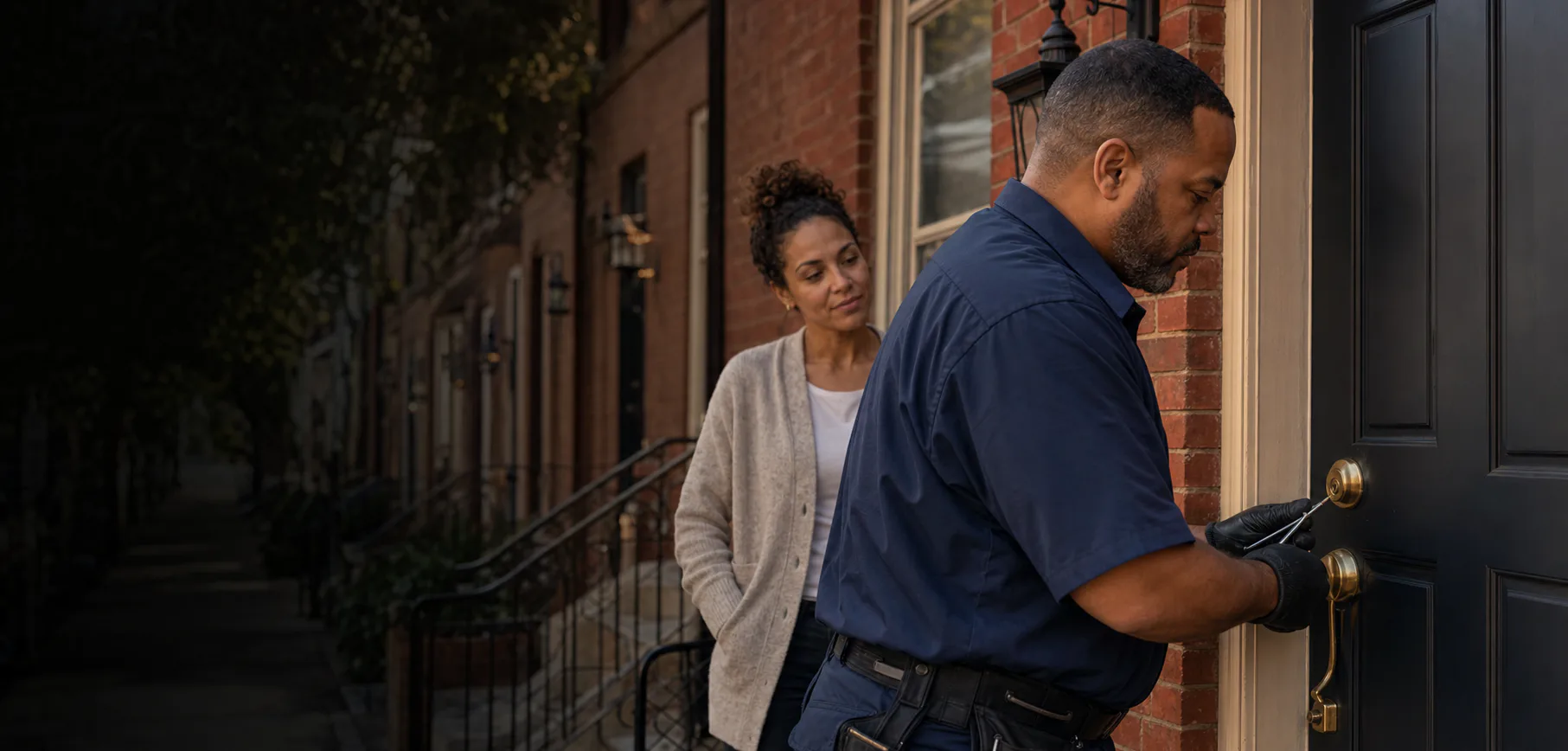
Once the door is open, the locksmith will test the lock to make sure it still functions correctly. They may also offer advice on lubrication or maintenance. They do not rush off; they make sure the lock works and that you can get in safely.
During this entire process, the locksmith keeps a record of the service. They note the address, the date, the time, and the verification method used. This log is important for legal protection and for quality assurance. If someone later claims that the locksmith opened the wrong property, the log provides evidence that proper checks were done.
What you can do to prepare
If you are worried about getting locked out, there are a few simple steps you can take now. Keep a spare key with a trusted neighbour or family member who lives nearby. Store a copy of your ID and a utility bill in your phone's photo library or a secure cloud folder. If you have a property manager, save their contact number in your phone. That way, if you ever need home lockout assistance, you can quickly provide the information the locksmith needs.
It also helps to know what type of lock you have. A standard deadbolt, a knob lock, or a smart lock each requires a different tool and technique. If you can describe the lock to the locksmith over the phone, they can bring the right equipment and save time.
Remember that a professional locksmith will never ask for payment before completing the work. They will explain the fee upfront, but they only collect after the door is open. And they will always ask for verification before touching the lock. That is a sign of a trustworthy service. If a locksmith shows up and starts working without asking for ID, that is a red flag. It suggests they may not be properly licensed or insured.
For residents of Philadelphia, knowing a reliable locksmith who follows these verification steps is important. A company like rrlocksmithphiladelphia.com provides 24/7 emergency, residential, commercial, and automotive lock and key assistance. They follow the same professional verification process described here, ensuring that every job is done safely and legally.
Why this matters to you
Understanding how locksmiths verify access helps you feel more confident when you call for help. You know what to expect, what documents to have ready, and why the process exists. It also helps you recognise when a locksmith is acting professionally versus cutting corners. Good verification practices protect everyone involved.
Next time you hear about someone getting locked out, you will understand that the few minutes spent checking ID are not wasted time. They are a necessary part of keeping homes secure. And if you ever need that service yourself, you will be ready to provide the information that gets the door opened quickly and safely.
For fast, reliable service in Philadelphia, rrlocksmithphiladelphia.com is a resource you can trust. They understand the local area and the types of locks common in the city's older buildings and newer developments alike. Whether you have a stuck deadbolt, a broken key, or a jammed door latch, a qualified locksmith can help you get back inside without damaging your property.